

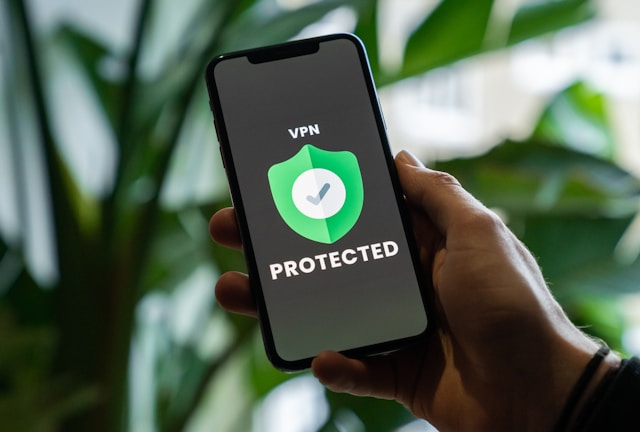

In modern businesses, technology and internet connectivity are essential for daily operations. Employees need secure access to company systems, files, and online services from different locations.
A VPN (Virtual Private Network) is a technology that helps protect business communications by creating a secure connection between users and company networks.
A VPN allows employees to work safely while keeping sensitive information protected from unauthorized access.
What is a VPN and why is it needed?
A VPN creates an encrypted connection between a device and a private network. This means that data sent through the connection is protected and cannot easily be intercepted.
Businesses use VPNs to:
- Protect sensitive information
- Secure remote access
- Connect offices safely
- Protect online activity
- Reduce security risks
For companies that handle important data, VPNs are an essential security tool.
How does a business VPN work?
A business VPN works by creating a secure tunnel between the user and the company network.
The process usually involves:
1. User authentication
The system verifies the user’s identity before allowing access.
2. Data encryption
Information is converted into a protected format so unauthorized people cannot read it.
3. Secure connection
The user connects to company resources through a protected network.
4. Data transfer
Information travels securely between the user and business systems.
Why do companies use VPNs?
Secure remote work
Employees often need to work from home, hotels, or other locations. A VPN allows them to safely access company systems without exposing sensitive data.
Protection of business information
Companies store valuable information such as:
- Customer data
- Financial information
- Internal documents
- Business strategies
A VPN helps protect this information from cyber threats.
Safe access to company networks
Without a VPN, accessing company resources from outside the office can create security risks.
A VPN provides controlled and protected access.
Remote access VPN
A Remote Access VPN allows individual employees to securely connect to the company network from anywhere.
It is commonly used for:
- Remote employees
- Traveling staff
- External professionals
The user connects through VPN software installed on their device.
Site-to-Site VPN
A Site-to-Site VPN connects two or more company locations securely.
For example, it can connect:
- Headquarters
- Branch offices
- Data centers
This allows different locations to communicate as if they were part of the same private network.
Cloud VPN
Cloud VPN solutions allow secure access to cloud-based services and infrastructure.
They are useful for businesses using platforms such as:
- Cloud storage
- Online applications
- Virtual servers
Cloud VPNs help maintain security while supporting modern business operations.
Advantages of using a business VPN
Better data protection
VPN encryption helps prevent unauthorized access to sensitive information.
Secure communication
Employees can exchange information safely without exposing business data.
Reduced cyber risks
A VPN adds an additional security layer against attacks and unauthorized connections.
Privacy protection
VPNs help protect company activity and network traffic.
Support for remote work
Employees can work securely from almost anywhere.
VPN and Zero Trust Security
Modern cybersecurity often follows the Zero Trust approach, which assumes that no connection should automatically be trusted.
A VPN can work together with Zero Trust security by adding:
- User verification
- Access controls
- Network protection
- Monitoring
This creates a stronger security environment.
How to choose the right VPN for your business
When selecting a VPN solution, companies should consider:
Number of users
The system should support the number of employees who need access.
Cloud compatibility
The VPN should work well with the company’s cloud services.
Security features
Important features include:
- Strong encryption
- Authentication options
- Access controls
Scalability
The solution should be able to grow as the business expands.
Conclusion
A VPN is no longer only a tool for privacy — it is an important part of business cybersecurity.
By providing secure connections, protecting data, and supporting remote work, VPN technology helps businesses operate safely in a connected world.